
Coagulants Based on Aluminum Hydroxychloride
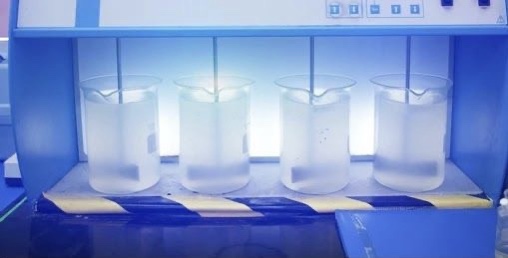
Aluminum Hydroxychloride is a coagulant used for purifying water from various types of contaminants, such as suspended particles, heavy metals, and synthetic surfactants. Due to its unique properties, aluminum hydroxychloride is actively utilized in drinking water treatment and wastewater purification.
Coagulants based on aluminum hydroxychloride come in various grades, differing primarily in the content of the active ingredient and the level of relative basicity.
Advantages of Using Aluminum Hydroxychloride in Water Treatment:
- High Coagulation Efficiency:
Aluminum hydroxychloride effectively reduces water turbidity by removing organic pollutants, petroleum products, colloidal particles, and heavy metals. - Mechanism of Action:
When in contact with water, aluminum hydroxychloride undergoes hydrolysis relatively easily, which promotes faster neutralization of contaminant particle charges. Neutralized particles, lacking surface charge, aggregate easily and settle more quickly due to their increased mass. - Wide pH Range:
Aluminum hydroxychloride maintains high efficiency across a wide pH range, making it a versatile coagulant for water with varying chemical and physical characteristics. - Reduced Sludge Volume:
Compared to other coagulants like aluminum sulfate or iron-based coagulants, aluminum hydroxychloride produces less sludge, facilitating subsequent water treatment processes such as filtration and sludge management. - Safety:
Aluminum hydroxychloride is safe for use in drinking water treatment processes, complying with environmental standards for water supply and wastewater management.
Applications of Aluminum Hydroxychloride:
- Drinking water preparation.
- Wastewater treatment.
- Treatment of process water in various industries.
Alternative Names:
- Aluminum oxychloride
- Polyaluminum chloride (PAC)
- Basic aluminum chloride
- Polyaluminum chloride hydroxide